

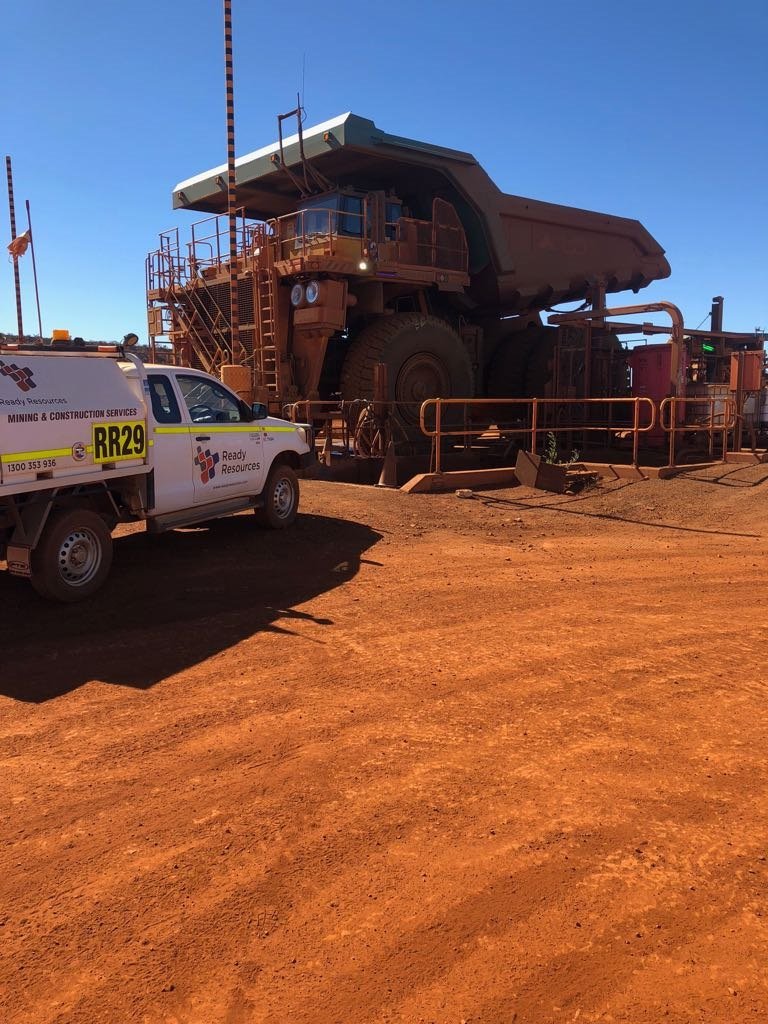
The mining industry is about to change significantly. This shift is powered by intelligence, data, and a renewed focus on human potential, not just machinery. For the dedicated professionals in Western Australia, the “mine site of the future” is not a far-off dream, it’s the next step in their careers.
This evolution is already underway, shaped by a powerful convergence of digital transformation, a global surge in demand for critical minerals like lithium and copper, and an unwavering commitment to sustainable practices. For the worker on the ground, this translates to a fundamental shift in the daily work environment, the tools you’ll use, and the skills you’ll command. It’s a future built on partnership between people and technology, designed to unlock unprecedented levels of safety, operational excellence, and career growth.
From Reactive Protection to Proactive Prediction
The core promise of the future mine site is a dramatic leap forward in safety. Traditional hazards are being mitigated by a layer of intelligent, connected technology that acts as a constant guardian.
- The Rise of the Digital Co-Worker: Autonomous haul trucks, drilling rigs, and loaders are transitioning from pilot projects to essential tools. These systems perform repetitive, long-haul, or high-risk tasks with consistent precision, operated and monitored by skilled technicians from the safety of a control room. This removes people from the most dangerous zones—like the edge of a high wall or a deep underground face—fundamentally changing the risk profile of the job.
- Wearable Guardians: Your personal protective equipment (PPE) is getting smarter. Future miners will be equipped with smart helmets and wearable devices that do far more than protect from impact. These devices can monitor vital signs for signs of fatigue or heat stress, detect hazardous environmental gases in real-time, and use proximity sensors to alert you—and nearby autonomous equipment—of potential collisions. Research into computer vision anti-collision systems is making these human-machine interactions even safer.
- Predictive, Not Just Preventive: The old model of scheduled maintenance is giving way to predictive analytics. Sensors on equipment stream real-time data on vibration, temperature, and performance, which AI algorithms analyze to predict failures before they happen. This means less unplanned downtime and fewer emergency repairs in hazardous conditions, contributing directly to our Target 90 Initiative for optimum machine availability.
The following table illustrates how these technologies converge to transform specific work scenarios:
| Work Scenario | Traditional Approach | Future Mine Site Approach |
| Haulage Operations | Driver in cab for 12+ hours, exposed to whole-body vibration, fatigue, and site hazards. | Autonomous Haulage Systems (AHS) transport material; operator monitors multiple vehicles from a control center, focusing on system optimization and exception management. |
| Hazard Inspection | Manual inspection of unstable areas, confined spaces, or regions with poor air quality. | Hazard monitoring robots or drones are deployed for initial reconnaissance, sending back real-time video and gas readings. The worker analyses the data and plans safe entry if needed. |
| Health & Safety Monitoring | Reliance on manual checks, self-reporting, and periodic environmental sampling. | Wearable tech continuously monitors individual biometric data (heart rate, fatigue) and environmental exposure (dust, gas). Alerts are generated proactively to prevent incidents. |
The Evolving Role: From Hands-On Operators to Skilled Controllers and Analysts
A common concern is that automation makes the human worker obsolete. The reality is the opposite: it changes and elevates the role. The future mine worker is a technician, data analyst, and problem-solver.
- The Control Room Commander: The role of the haul truck driver evolves into that of a remote operations controller. This professional might oversee a fleet of autonomous vehicles, managing logistics, traffic flow, and responding to system alerts. It’s a role that demands a higher level of situational awareness, digital literacy, and strategic thinking.
- The Data-Driven Maintainer: The heavy diesel fitter or electrical technician of the future will use augmented reality (AR) glasses to see repair instructions overlaid on equipment and access real-time schematics. They’ll interpret predictive maintenance alerts to schedule interventions efficiently, moving from reactive “fix-it” roles to proactive “reliability engineer” positions.
- The Specialist Innovator: New, highly skilled roles are emerging. Data analysts will interpret the vast streams of information from sensors and equipment. Automation specialists and robotics coordinators will ensure these complex systems are integrated and performing optimally. Sustainability officers will use data to monitor and improve environmental performance.
Preparing for Tomorrow, Today: Building the Workforce of the Future
This transition doesn’t happen by itself. It requires a committed partnership between industry and its people. At Ready Resources, our core mission is to attract, develop, and empower skilled individuals. Preparing for the mine site of the future is central to that promise.
- Upskilling as a Continuous Journey: We are invested in workforce training programs that build the digital expertise required. This means practical training on how to interact with autonomous systems, analyze dashboards, and utilise new diagnostic tools. It’s about adding strings to your bow, not starting over.
- Human Skills Remain Paramount: While technical competency is crucial, the uniquely human skills will be more valuable than ever. Critical thinking, adaptability, communication, and the ability to make sound judgements based on complex data inputs are irreplaceable. Technology handles the routine; people handle the exceptions and the innovation.
- A Focus on Wellbeing: The future mine also addresses long-standing workforce challenges. By reducing exposure to harsh physical environments and monotonous tasks, technology can help mitigate fatigue—a significant factor in safety and health. Furthermore, more predictable schedules enabled by efficient, continuous operations can contribute to better work-life balance.
The mine site of the future is not a place where people are sidelined. It is a smarter, safer, and more responsive environment where technology takes the strain off humans, allowing skill, experience, and ingenuity to be applied to their fullest potential.
At Ready Resources, we are excited to walk this path with the workforce of Western Australia. Through our dedicated work management process. planning, execution, review, and alignment, we are committed to ensuring that our people are not just ready for the future, but are the ones actively shaping it.
Together, we are building more than a modern mine; we are building fulfilling, long-term careers at the forefront of industrial progress.