

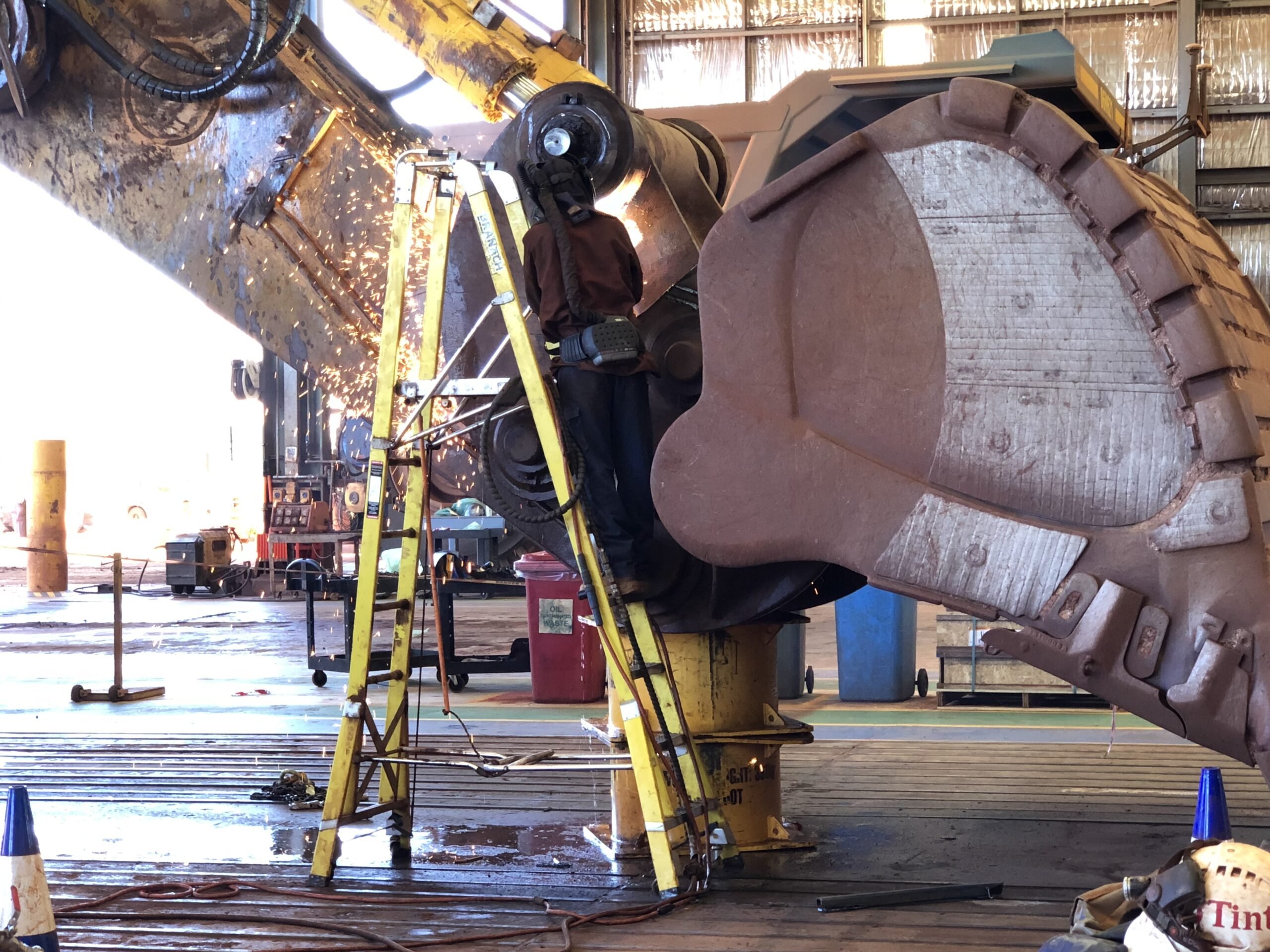
In the high-stakes world of mining and heavy industry, time is literally money. Every minute a haul truck sits idle or a conveyor belt stops turning, thousands of dollars in revenue evaporate. For asset managers and site superintendents across the Pilbara and beyond, one metric stands above the rest as the gold standard of operational excellence: Target 90.
Reaching 90% Equipment Availability is the “Holy Grail” for heavy operational fleets. It signifies that your assets are reliable, your maintenance is efficient, and your production targets are within reach. But the road to Target 90 is rarely smooth. It is paved with the challenges of aging equipment, harsh environmental conditions, and the constant threat of unplanned failures.
The good news? The era of “run-to-failure” is ending. With the rise of predictive maintenance and industrial uptime optimization, hitting that 90% availability target is no longer just a dream—it’s a strategy we can execute today.
What is “Target 90” and Why Does It Matter?
Target 90 refers to achieving a 90% mechanical availability rate for critical assets. Whether it’s a fleet of CAT 793s or a fixed processing plant, 90% availability means the equipment is ready to work 90% of the scheduled time.
Why is this number so critical?
- Production Continuity: Consistent uptime ensures mine plans are met without scrambling for backup units.
- Cost Control: Emergency repairs cost 3-4 times more than planned work due to expedited parts and overtime labor.
- Asset Longevity: Avoiding catastrophic failure extends the total lifecycle of expensive machinery.
However, many sites struggle to break past the 75-80% barrier because they rely on reactive or strictly time-based maintenance strategies. To bridge the gap to Target 90, we must change how we listen to our machines.
The Shift: From Reactive to Predictive
Traditionally, maintenance fell into two buckets:
- Reactive (Run-to-Failure): Fix it when it breaks. (High cost, high downtime).
- Preventive (Time-Based): Fix it on a schedule, regardless of condition. (Potential waste of useful parts, still misses random failures).
Predictive Maintenance (PdM) changes the game. By leveraging condition monitoring, sensor data analysis, and industrial IoT (IIoT), we can determine the actual health of an asset in real-time. Instead of changing a bearing because the calendar says “Day 90,” we change it because vibration analysis indicates it will fail in 48 hours.
This shift allows maintenance teams to intervene only when necessary, but before a breakdown occurs. This is the core engine that drives downtime reduction.
How Predictive Maintenance Paves the Road to Target 90
Implementing a predictive strategy involves more than just installing sensors; it requires integrating data into your Asset Performance Management workflow.
- Data-Driven Anomaly Detection
Modern heavy equipment is often equipped with hundreds of sensors. Machine learning for maintenance algorithms analyze this stream of unstructured data to establish a “normal” operating baseline. When a metric—like oil pressure or hydraulic temperature—deviates slightly, anomaly detection systems flag it immediately. This allows your team to address “silent” issues before they become loud, expensive failures.
- Prescriptive Analytics: Knowing What to Do
Detecting a problem is step one. Prescriptive analytics takes it further by suggesting the specific root cause and the necessary fix. This reduces the troubleshooting time for our heavy diesel fitters and high-voltage electricians, ensuring they arrive at the asset with the right tools and parts.
- Smart Scheduling and Maintenance Optimization
Predictive models allow for dynamic scheduling. If prognostics and health management data shows a haul truck has 200 hours of healthy life remaining on a component, you can safely delay maintenance to align with a planned shutdown window. This eliminates unnecessary downtime and maximizes the utility of every part.
The Real-World Benefits of a Predictive Approach
When you combine AI in manufacturing with skilled execution, the results directly impact the bottom line:
- Drastic Downtime Reduction: Unplanned downtime can decrease by up to 30-50%, directly contributing to higher availability.
- Reduced Maintenance Costs: By eliminating unnecessary preventive tasks and avoiding catastrophic secondary damage, maintenance budgets go further.
- Enhanced Safety: Planned maintenance is safer maintenance. Rushed emergency repairs often bypass standard safety protocols; predictive work allows for thorough JHAs and risk assessments.
- Optimized Supply Chain: Knowing what parts will fail allows for better inventory management, reducing the capital tied up in “just-in-case” spares.
Ready Resources: Bridging Data and Execution
Technology detects the issue, but people solve it. Predictive maintenance provides the roadmap, but you still need a skilled driver to navigate the road to Target 90.
At Ready Resources, we understand that data is useless without action. Our team of experienced tradespeople—from HD fitters to auto electricians—are the “boots on the ground” who turn prescriptive analytics into equipment reliability. We specialize in executing the precision maintenance that smart factories and modern mine sites demand.
Whether you need a specialized team to execute a shutdown based on condition monitoring data, or skilled labour to clear a backlog of predictive work orders, we are ready to support your journey to 90% availability.
Frequently Asked Questions
What is the difference between Preventive and Predictive Maintenance?
Preventive maintenance is scheduled based on time or usage (e.g., every 500 hours), regardless of the machine’s actual state. Predictive maintenance relies on the actual condition of the equipment (e.g., vibration, heat, oil analysis) to determine when maintenance should be performed.
How does Predictive Maintenance reduce downtime?
It virtually eliminates unplanned downtime. by predicting failures weeks or days in advance, repairs can be scheduled during non-production hours or planned shutdowns, ensuring the asset is always available during scheduled production time.
Is Predictive Maintenance expensive to implement?
While there is an upfront investment in sensors and industrial IoT software, the ROI is often realized quickly through reduced overtime, fewer replacement parts, and increased production revenue.
Can Ready Resources help with Predictive Maintenance programs?
Yes. While we specialize in the physical execution of maintenance, our skilled workforce is trained to work within modern, data-driven environments. We can execute the specific, high-precision repairs identified by your predictive systems to ensure reliability.
The road to Target 90 is challenging, but it is the only path forward for operations that want to remain competitive. By embracing predictive maintenance benefits and moving away from reactive habits, you can unlock the full potential of your assets.
Remember, technology provides the insight, but skilled execution delivers the uptime. At Ready Resources, we are committed to providing the top-tier mechanical and electrical support you need to turn those insights into reality. Let’s hit that 90% target together.
Ready to optimize your fleet’s availability? Contact Ready Resources today to discuss your labour and maintenance needs.