
Running a safe, productive mine site in the middle of nowhere is tough. You’re dealing with fly-in, fly-out (FIFO) rosters, extreme isolation, and a constant battle against fatigue and skills shortages. In this environment, hitting and keeping high safety standards isn’t just a goal—it’s an absolute necessity for survival and success.
That’s where the concept of Target 90 comes in. It’s not just a number. In the Australian mining industry, it represents a holistic benchmark for safety performance. Think of it as the gold standard for workforce engagement, safe work practices, and total compliance. But how do you actually achieve it when your worksite is hundreds of kilometres from the nearest town?
This case study looks at how Ready Resources delivers sustained safety performance on remote Western Australian mine sites. We’ll show you it’s not about flashy, short-term campaigns. It’s about building a system that makes safety the core of every single shift.
What Target 90 Really Means (And Why It’s So Hard)
First up, let’s clear the air. Target 90 isn’t one simple metric you can check off. It’s a whole-system view of safety. It measures things like leading safety indicators, how often the team actually participates in safety processes, and the real behaviours of leaders on the ground. You can learn more about this framework on our dedicated Target 90 page.
So why is it historically so difficult to nail on remote sites? The challenges stack up fast:
- Fatigue: Long FIFO rosters and travel times wear people down, plain and simple.
- Isolation: Being away from family and community for weeks hits mental health and wellbeing.
- Skills & Turnover: It’s a tight labour market. High mobility can mean inconsistent practices.
- Logistical Nightmares: Everything from weather shutting down access to getting the right person to the right place at the right time adds layers of risk.
You can run a safety “blitz” for a month and see a bump in numbers. But without a system built into your daily operations, that improvement fades as soon as the campaign ends. That’s the gap we had to bridge.
The Ready Resources Approach: Systems Over Slogans
We work with Tier One miners across WA. Our starting point was strong—a maintained All Injury Frequency Rate (AIFR) of 0.00. But we knew that to deliver true Target 90 outcomes, we had to go deeper. We had to move from reacting to problems to preventing them entirely. Our entire Health, Safety, Environment, and Quality philosophy is built on this idea.
We focused on three connected areas: Technology, Culture, and Integration.
- Getting Smart with Tech and Systems
You can’t manage what you can’t see. We use technology to bring clarity to complex remote operations.
- Smarter Rostering: We use enhanced planning for better visibility, strictly aligning with WA’s fatigue management regulations. It’s about proactive management, not just ticking a box.
- Compliance Made Clear: Systems monitor workforce readiness so we know someone is truly fit and competent for a role before they step on site. This ties directly into helping individuals understand how to be retained and stand out on a mine site.
- Kit That Keeps People Safe: We invest in equipment designed for safety from the ground up. For example, the Epura cabin is engineered for operator safety and ISO 23875 compliance, while the Epura engine boosts performance with a core focus on sustainability and safety. It’s all part of our Propulsa Epura initiative to provide better, safer solutions.
- Building aCultureYou Can Feel
Technology is useless without the people to back it up. Safety culture isn’t a poster on the wall; it’s the unspoken rules of how work gets done.
- Talking About the Hard Stuff: We’ve increased the focus on mental health and psychosocial safety. It’s okay to not be okay, and we have systems to support that.
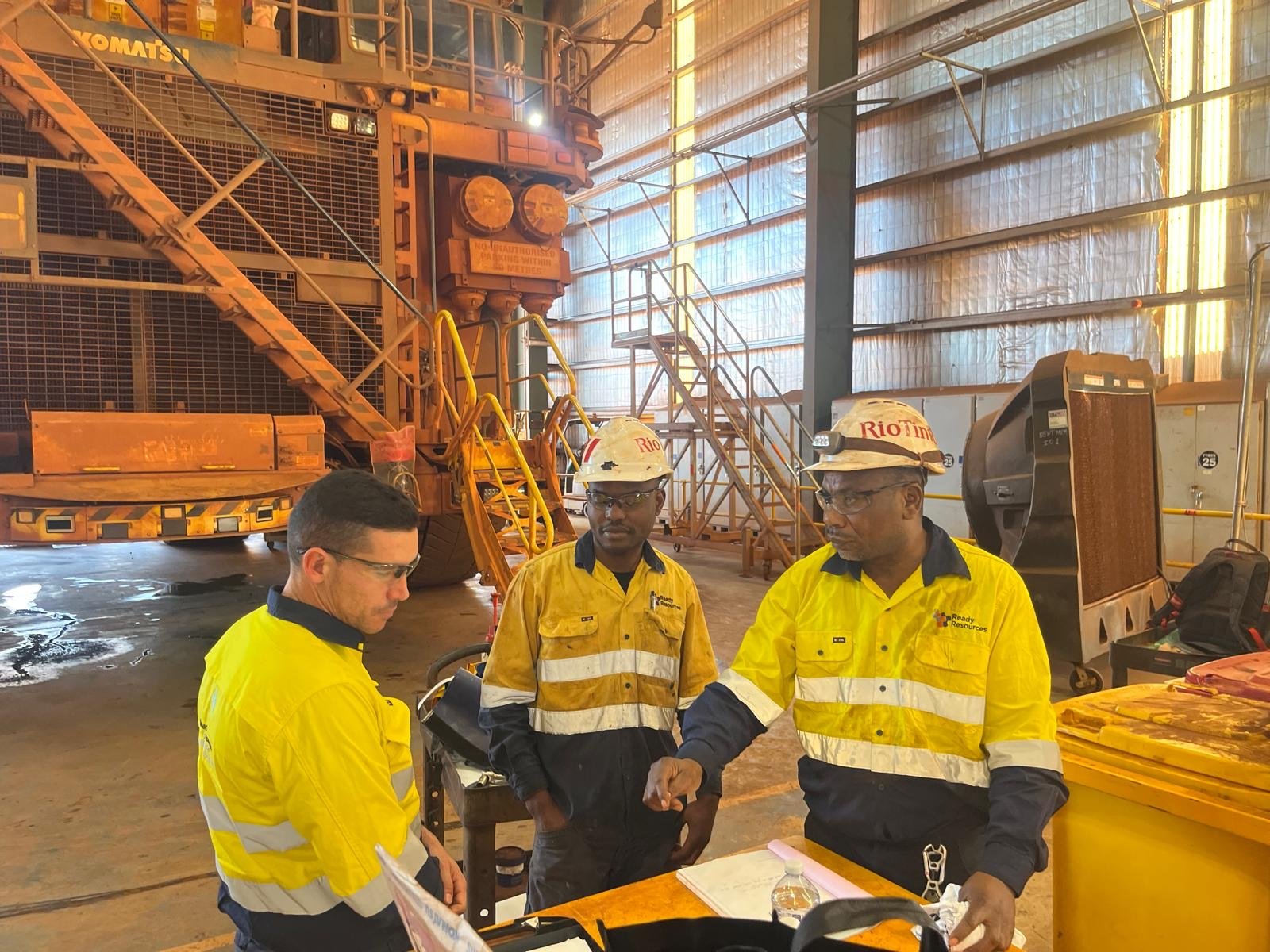
- Leadership That Walks the Talk: Our leaders are accountable for reinforcing safety expectations every day, not just during a monthly meeting. It’s about consistent behaviour.
- From Reporting to Learning: We’ve built a strong culture of reporting hazards and near-misses. It’s not about blame—it’s our best source of data to stop the next incident.
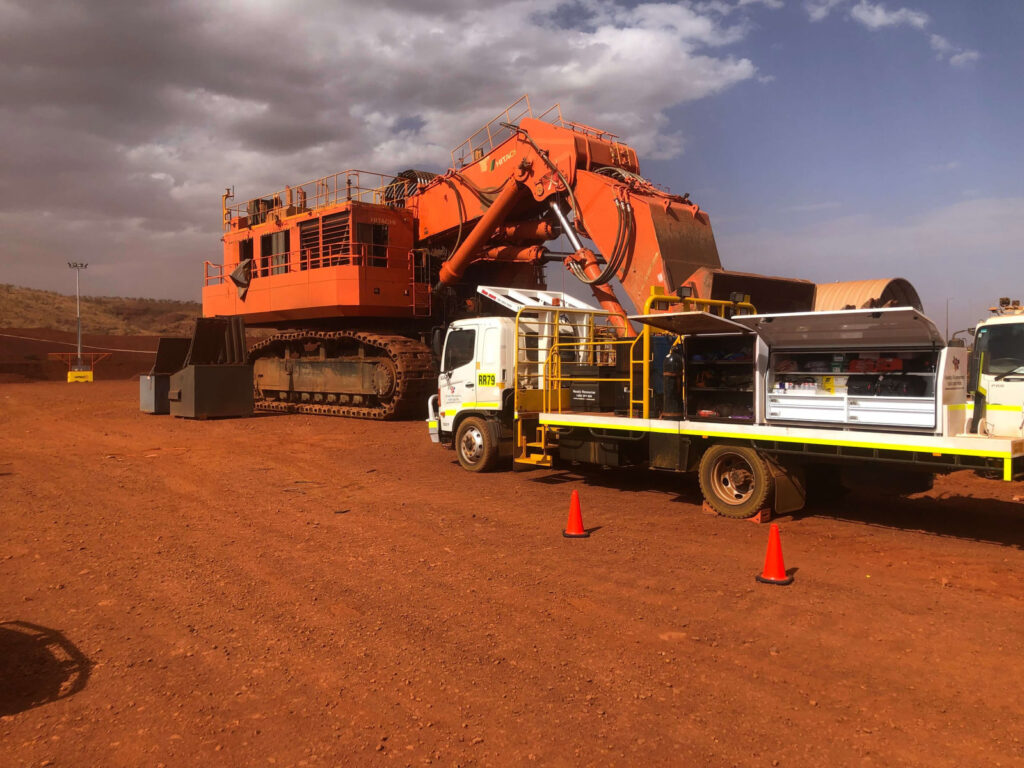
This cultural shift is supported by practical tools. Something as fundamental as a wash truck, the unsung hero of the mine site, is part of this. Keeping sites clean isn’t just about appearances; it’s a critical hazard identification and trip-prevention measure.
HSEQ: Making It All Stick
This is where the rubber meets the road. All our initiatives are tied into a measurable, improving system.
- Leading, Not Lagging: We track leading indicators—what we’re doing today to prevent incidents tomorrow.
- Aligned to Standards: Our systems align with ISO 45001 and the WA WHS Act. It’s about external validation of what we do internally.
- Continuous Improvement Loop: We take industry learnings, our own data, and new tech to constantly get better. It’s an evolving process, detailed further on our core Safety page.
And we’re not alone in this tech-driven approach. The industry is moving fast. Companies like Veridapt provide real-time tracking of consumption and emissions, while CleanSpace’s new Insights Reporting platform gives actionable data on respirator use. ThoroughTec’s training systems turn learning into measurable performance, and Huawei’s Pangu AI model is showing how artificial intelligence can autonomously enhance safety. We see these innovations as complementary to the strong human and system foundations we build.
The Outcomes: Safety as a Constant
So, what happens when you bake safety into your operating model instead of sprinkling it on top? The results speak for themselves.
By aligning with Target 90 principles through these embedded systems, we’ve seen:
- A sustained AIFR of 0.00 across our remote site operations.
- A measurable reduction in incidents and injuries.
- Workforce engagement that’s gone up because people see their reports leading to real change.
- Stronger operational continuity—safe sites are productive sites.
- Iron-clad compliance and risk mitigation for our clients.
This isn’t a “project” with a start and end date. It’s just how we work, every day. It proves that long-term safety success, especially in harsh remote environments, needs systemic integration. It’s about the combined effect of reliable equipment, like the solutions that Epura provides to enhance safety and efficiency, strong systems, and a vigilant, supported culture.
Achieving Target 90 on a remote mine site is possible. But it demands a shift in thinking. It’s not a target you hit once. It’s a standard you live by.
For Ready Resources, safety isn’t a department. It’s the foundation of our operational value. By treating safety culture as an ongoing process, supported by smart technology and rigorous systems integration, we deliver the kind of consistent, reliable performance that the Australian mining industry needs. In the remote Pilbara or Goldfields, that’s what makes the difference between hoping for a safe shift and knowing you’ve built one.